In 2026, creative volume and velocity matter just as much as value.
And yet, many marketers are out of the loop on how to optimize for them.
On April 16th, Z2A Digital had the honor of participating at “Creative that Scales”, a webinar hosted by Singular. As the webinar’s name implies, its purpose was to provide creative scaling strategies that app marketers could incorporate into their playbooks.
Our Director of Paid Social extraordinaire, Sofia Paz Luna, was in attendance to represent Z2A Digital. She along with other speakers from the likes of Appier, CRAFTSMAN+, and Liftoff delivered a wealth of actionable takeaways to help marketers scale their creatives.
This post will dive into these insights.
The webinar opened with a light-hearted welcome from Singular CMO and host, Stephanie Pilon. After introducing the various speakers in attendance, the event kicked off with various discussions ranging from tactics and frameworks to the tools needed to help teams scale their creatives.
In attendance, were the following guest speakers from the following teams:
Of course, the highlight of the show for us were Sofia’s segments. She served attendees “cheat codes” that they could use to unlock sustainable creative scaling.
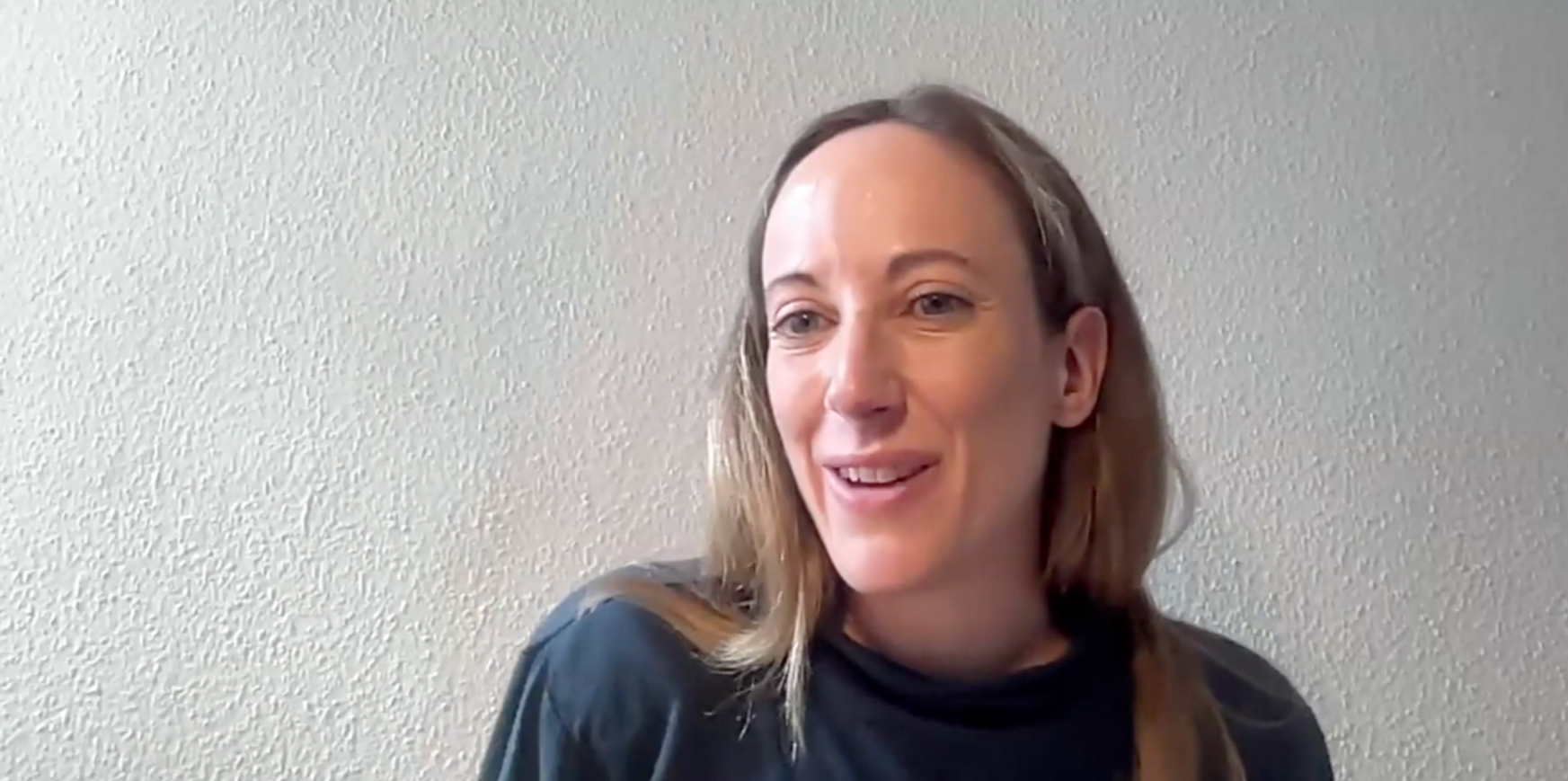
In 2026, the winning teams in creative production are the ones that adapt quickly to new needs. Platforms today require greater volumes and although quality is still king, sufficient volume matters more than ever before, because algorithms are rewarding advertisers who are producing and testing more volume.
But that calls for developing efficient workflows and frameworks to ensure that teams are able to produce these volumes.
Incorporating the right AI tools and integrations into workflows for tasks is vital. In fact, brands that are using AI for thumbnail testing, and automated variant production are publishing 5-8x more creative variants than brands relying on traditional workflows.
And then there are frameworks. Establishing the right testing framework from the get-go is vital, because it keeps creating testing and production efficient and streamlined. In fact, studies have shown that dynamic creative optimization workflows can generate ROAS lifts of 58% and CPA reductions around 30% in mobile app campaigns.
When developing a strategy for creative testing, it’s vital to establish testing baselines. That means setting a minimum volume of assets to be tested per channel. Of course, that baseline should be aligned to the platform as each has their recommendations in terms of how many assets should be tested.
When discussing some of creative testing baselines she works, Sofi mentioned the following:
“We try to produce 10 assets per channel at least. So 10 for TikTok or 10 for Meta, for example. And we always prioritize video, and we always prioritize UGC. But for Meta, for example, we are also adding more variety because we know the new algorithm is rewarding this variety of assets, like more statics or more carousels.”
This aligns with Meta’s ad system, which processes over 15 million new ad creatives monthly. That said, the platform’s Andromeda algorithm rewards teams that feed it greater creative variety. The current recommendation now stands at putting 10-20 unique creatives in each ad set, an increase from the previous standard of 3-5. On TikTok, that number stands at 10-20 creative variants per campaign with a refresh every 2-3 weeks.
Aside from the precise number of assets being tested, the number of ad concepts being tested plays a role in campaign success as well.
For example, Sofi’s method involves developing two main concepts and testing them, perhaps running them for 1-2 weeks. This can vary depending on the needs of the client and their budget.
Sofi and the team will expand this testing framework every week, developing these 10 assets per and prioritizing UGC and statics for Meta, keeping things flexible and dynamic based on client budgets and objectives. Ultimately, the goal is to analyze, observe, and adapt the creatives based on testing results.
When it comes to creative testing blunders, one in particular seems to be most popular: not giving enough time to the creative to run.
A team may run an asset, notice high CPMs in the first week, and conclude that a particular channel or creative variant isn’t working. However, if given an additional 2-3 weeks, those CPMs could drop and reveal that a particular asset is actually performing well.
When it comes to testing, time equals truth.
For example, Meta’s algorithm usually stabilizes only 50 results in the week after the ad’s last significant edit. So it’s not uncommon to see early spikes normalize as the platform collects more data.
TikTok’s learning phase also begins with volatility as its ad system works to identify the best users for specific campaigns. However, performance often stabilizes after roughly 25 campaign results or 7 days.
Anytime you adjust budgets, alter targets, or replace creatives in response to testing data, you reset the learning process. If you make these changes in response to premature data, you’re not giving the ad enough time to stabilize, and may conclude that a channel isn’t working when it actually might. Or, you might assume a channel is working when it actually might not.
So the lesson here is clear: don’t make assumptions and give your testing time! When the subject emerged during the webinar, Sofia recommended giving tests up to 3 or 4 weeks to see the real performance value of an asset before reaching any conclusions.
Manually scaling creatives to volume modern platforms favor isn’t realistic. Naturally, AI tools fill the gap, and allow teams to dramatically ramp up their production. Of course, not all tools are built the same as the cliche goes, so you need to choose ones that provide capabilities that align with your desired outputs.
For creative production, there are two such tools that stand out, which Sofi herself uses.
The first is AdCreative.ai. It’s useful for statics and short videos, and has generated over 1 billion ad creatives by some of the world’s top brands.
Another useful tool is Arcads.ai. It’s renowned for its ability to generate hyperrealistic, UGC ads, and has been likened to a creative assembly line.
And as an added bonus, Arcads is noted for its ability to show actual micro-expressions such as head titles, gestures, and natural pauses that other tools often miss.
The “Creative that Scales” webinar was more than a discussion between app marketing powerhouses. It was a window into how the app marketing world has shifted and continues to change.
With AI-assisted workflows now in the mix, producing a high volume of creatives and testing them fast is key to scaling ads successfully. It’s also crucial to stay ahead of competitors who themselves are producing large amounts of creative assets.
Sofia’s insights provide a reliable framework and toolset that marketers can rely on to produce creatives at scale. And we’re looking forward to her making more of these appearances in the future!
For those of you who didn't get a chance to see the webinar, be sure to watch it here. It’s packed full of great insights.

.png)



%20(3).webp)